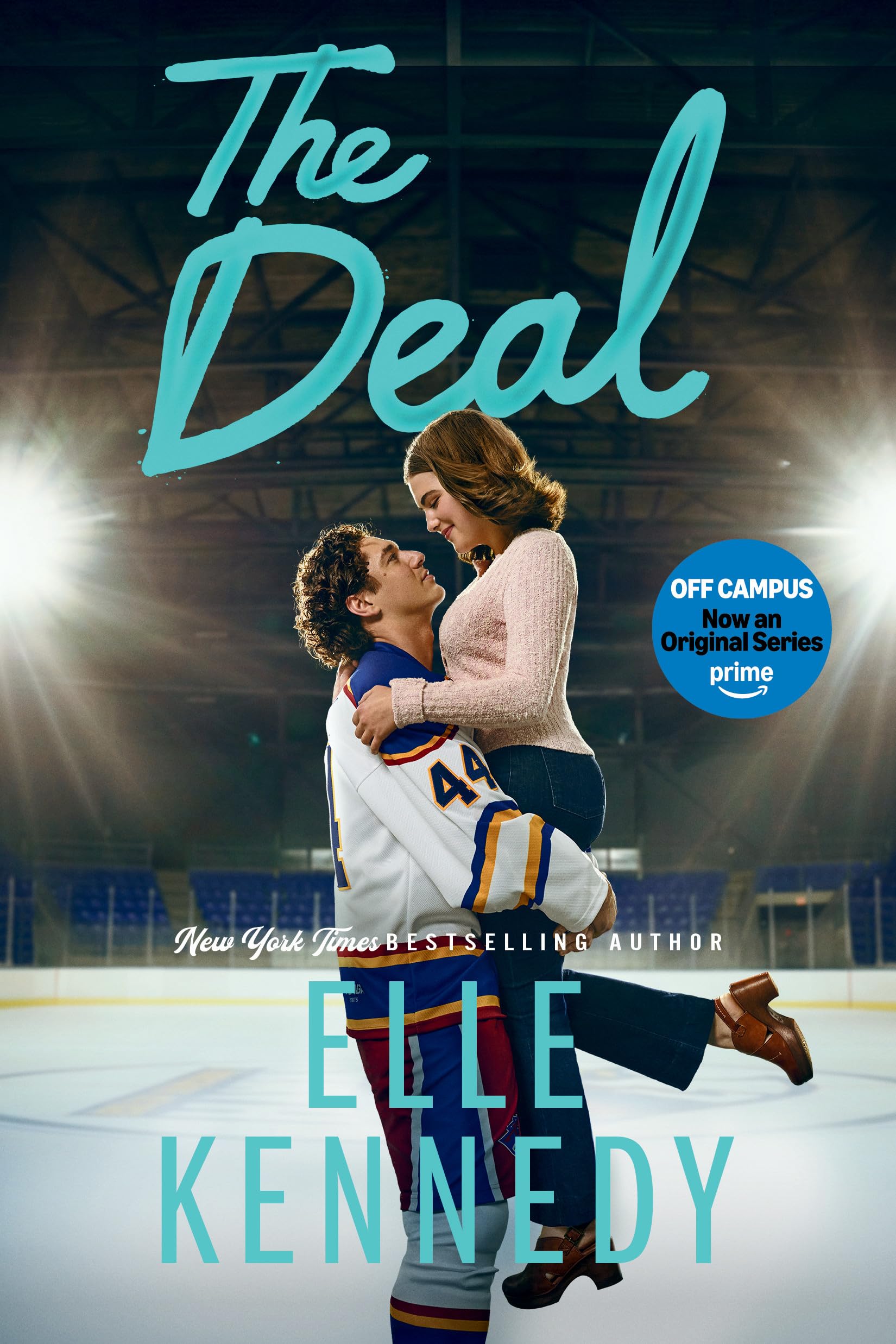
Elle Kennedy’s The Deal, the first book in the Off-Campus series, has been a staple in the new adult sports romance genre for years. It follows Hannah Wells, a music student who strikes a bargain with hockey star Garrett Graham: she’ll help him pass a class if he pretends to be her boyfriend to make an ex jealous. The setup is familiar, but the execution has kept readers returning to this title since its 2015 release.
In real-world usage, this book is often picked up by readers looking for a light, emotionally engaging escape. It’s the kind of novel you read on a weekend afternoon or during a commute, where you don’t mind predictable beats because the character dynamics carry the story. Many fans report finishing it in a single sitting, drawn by the rapid-fire dialogue and the slow-burn tension between the leads. The dual point-of-view structure—alternating between Hannah and Garrett—helps maintain momentum, letting readers see both sides of the growing attraction and the personal hurdles each character faces.
Key functional features include the strong voice in both perspectives. Garrett’s chapters are written with a casual, sometimes cocky tone that fits his jock persona, while Hannah’s internal monologue feels more introspective and grounded. The book also tackles heavier themes like past trauma and consent in a way that feels organic rather than performative, which is a notable strength for a genre often criticized for shallow conflict. The pacing is brisk, with the relationship developing over the course of a semester, giving enough time for the bond to feel earned without dragging.
However, there are clear limitations. The plot relies heavily on tropes that may feel worn to frequent romance readers: the fake relationship, the jock tutor, the misunderstanding-fueled third-act breakup. Some of the secondary characters—particularly Hannah’s friends and Garrett’s teammates—can come across as one-dimensional, serving more as plot devices than fully realized people. Additionally, the resolution of the central conflict feels rushed in the final chapters, with a tidy conclusion that doesn’t fully explore the emotional fallout from earlier events. The prose is serviceable but rarely poetic, and readers looking for literary depth or complex sentence structure will find it lacking.
When compared to other new adult romance series, like Jamie McGuire’s Beautiful Disaster or Colleen Hoover’s Hopeless, The Deal leans harder into humor and banter rather than melodrama. It’s less angsty than McGuire’s work and more straightforward in its romantic arc than Hoover’s twist-heavy narratives. For readers who prefer a lighter tone with emotional stakes that don’t overwhelm the story, this book fits well. However, if you’re looking for a romance that challenges genre conventions or offers a more realistic take on college relationships—with all the messiness and ambiguity—this might feel too polished and formulaic.
Who is it suitable for? This book works best for readers who enjoy dual-perspective sports romance with a strong comedic undercurrent and a hero who is charming but not toxic. It’s a good entry point for someone new to new adult romance, as it’s accessible and doesn’t require familiarity with the series. Who is it not suitable for? Readers who dislike overtly tropey plots, who want more mature prose, or who are put off by characters in their early twenties acting impulsively may want to look elsewhere. Also, those sensitive to depictions of sexual assault or past trauma should be aware that these topics are referenced, though handled with more care than in some similar books.
Overall, The Deal is a competent and enjoyable romance that knows its audience and delivers what it promises. It doesn’t reinvent the wheel, but for a reader seeking a comforting, fast-paced story with two likable leads and a fair amount of wit, it’s a reliable choice. The Off-Campus series continues with other titles, but this first book sets the tone: entertaining, slightly formulaic, and best consumed without expecting literary innovation.