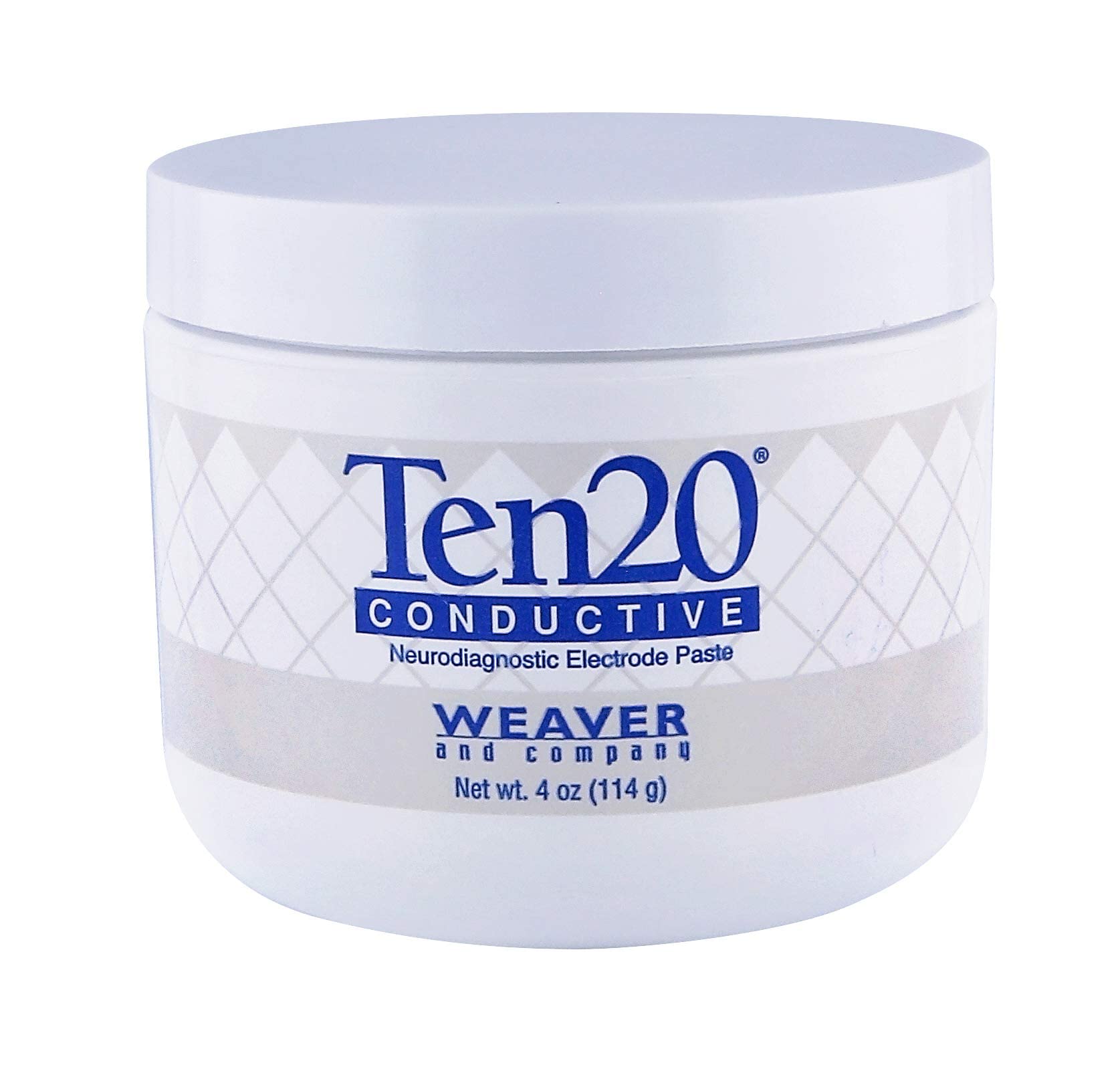
When you’re working on electronics—whether it’s repairing a damaged circuit board trace or prototyping a new sensor array—getting a reliable electrical connection in tight spaces can be a real headache. Conductive paste, like this 4 oz. jar, is one of those niche products that can save a project when solder won’t work or a wire is just too thick. It’s not a miracle cure, but for certain jobs it’s surprisingly effective.
This paste is essentially a thick, silver- or carbon-filled compound that you apply with a small brush or toothpick. It dries to form a conductive path, and it’s often used for repairing keypad membranes, fixing defroster grids in car windows, or making temporary connections on breadboards and prototype boards. The 4 oz. jar is a decent size—enough for several small repairs, but not so much that it’ll dry out before you use it up (though you’ll want to seal it tightly after each use).
Key functional features include:
- Low resistance: Once cured, the paste offers a conductive path that’s acceptable for low-current applications (think signal lines or low-power circuits, not main power rails).
- Adhesive properties: It sticks to a variety of surfaces like glass, plastic, and ceramic, which is why it’s popular for automotive defroster repairs.
- Solvent-based formula: It has a noticeable chemical smell during application, so good ventilation is recommended. The paste also tends to be a bit runny if you apply too much, so a steady hand helps.
- Room-temperature cure: No heat gun or oven needed—just let it sit for 24 hours for full conductivity, though it sets enough to test in about an hour.
One limitation worth noting: this paste is not a replacement for soldering in high-current or high-frequency applications. The resistance, while low for a paste, is still higher than a proper solder joint. If you’re trying to repair a power trace on a circuit board that carries more than a few hundred milliamps, you might find the connection heats up or fails over time. Also, the cured paste is somewhat brittle—flexing the substrate can crack it, so it’s best for stationary repairs.
Compared to something like copper tape or wire glue (another conductive adhesive), this paste offers more precision for small dots and thin lines. Copper tape is easier for covering larger areas but doesn’t flow into tiny gaps. Wire glue is similar but often has a thicker consistency and may require a longer cure. Neither is as robust as soldering, but for non-solderable surfaces like glass or certain plastics, paste is often the better choice.
Who is this for? Hobbyists and technicians who need to repair things like remote control keypads, touchscreen traces, or car defrosters. It’s also useful for adding conductive paths on model train layouts or for making electrical connections in arts and crafts projects. It is not suitable for high-reliability aerospace or medical devices, nor for anyone expecting a quick, permanent fix for a broken power cable. If you need to carry significant current or require a mechanically strong joint, stick with soldering or crimping.
In practice, the paste works best if you apply it sparingly—less is more. A common mistake is globbing it on, which leads to a messy, slow-drying blob that may not conduct evenly. Use a fine tip or a toothpick to dab it into the gap or over the trace, then let it dry fully before testing. Some users report that a second coat after the first dries can improve conductivity, though this is not always necessary.
Overall, this 4 oz. jar of conductive paste is a handy tool to have in the drawer for specific repair jobs. It won’t replace your soldering iron, but for those awkward non-solderable repairs, it gets the job done with reasonable reliability. Just keep expectations in check—it’s a temporary or low-stress fix, not a permanent solution for high-demand circuits.